
Calathea makoyana – a tropical pattern of nature that brings a sense of calm to the office and brings green walls to life
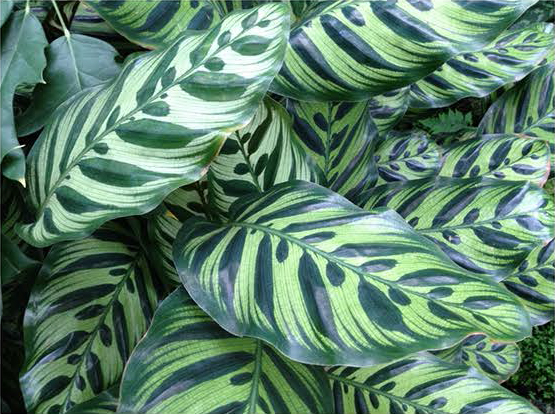
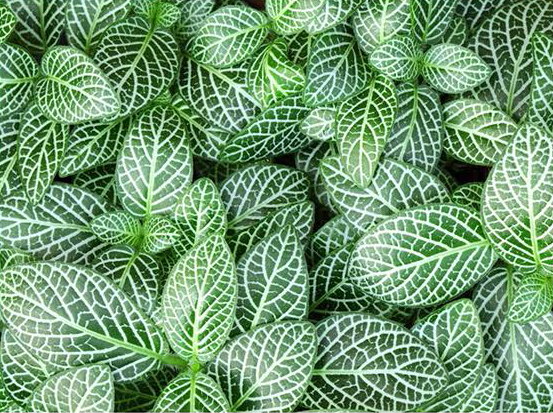
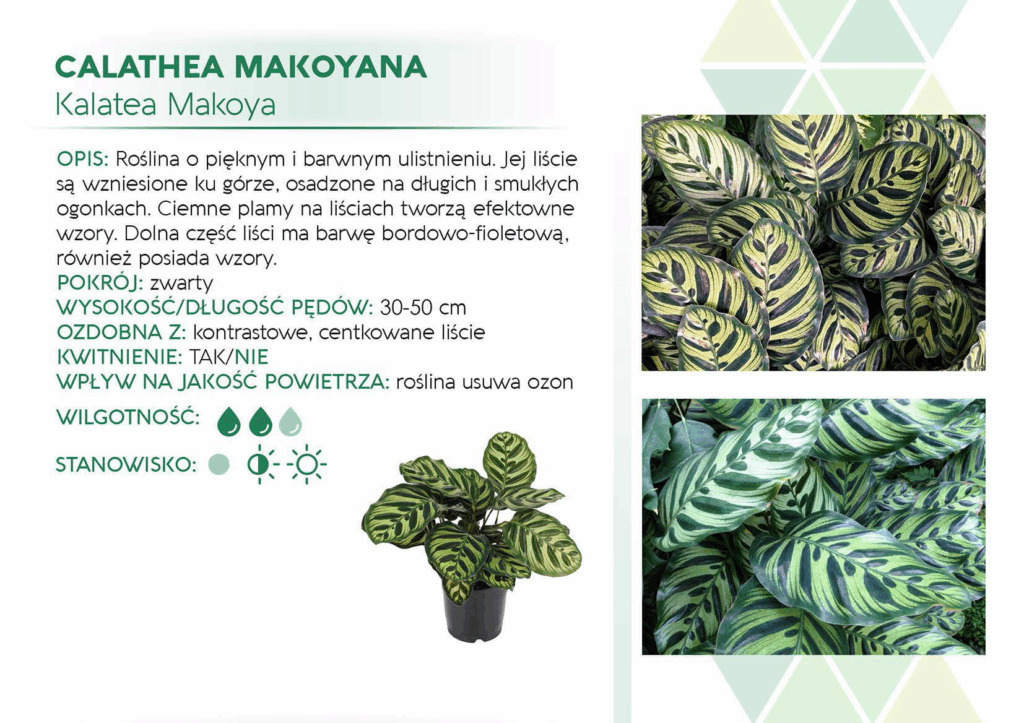
Calathea makoyana, known as the peacock plant, is a species impossible to mistake for any other. Its leaves look hand-painted – light green, dark spots, and a burgundy-violet underside create a distinctive yet elegant effect. At 4Nature System, we use it in spaces where greenery is meant not only to decorate, but to genuinely influence the work climate, concentration, and perception of the space.
Calathea makoyana – where does it come from and why does it thrive in modern interiors?
Calathea makoyana originates from the tropical forests of South America. In nature, it grows in the understorey, beneath the forest canopy, where light is diffused and humidity is high and stable. This matters. Because those are exactly the conditions most easily replicated in the controlled environment of an office or lobby.
Its natural adaptations mean that:
- it functions well in partial shade,
- it does not require direct sunlight,
- it prefers stable temperatures and no draughts,
- it responds to changes in light with a characteristic “raising” of its leaves in the evening.
In 4Nature System projects, calathea appears in both living walls and smaller plant compositions. Its patterned leaves introduce rhythm and structure. Yet they do not dominate the space.
Light and conditions for Calathea makoyana in vertical gardens
Calathea is not an “accidental” plant. It likes stability. In vertical gardens, this means a well-designed irrigation system and microclimate control.
Key requirements:
- diffused light – no direct sunlight,
- air humidity of 60–80%,
- light, well-draining substrate,
- no cold draughts.
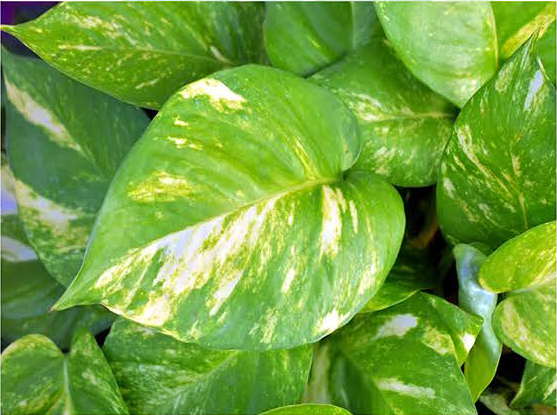
In properly designed vertical gardens, calathea can be a spectacular compositional element. Its contrasting leaves beautifully break up the uniform green of epipremnum or philodendrons.
At 4Nature System, we also combine it with modular solutions such as:
- 4Nature Basic – mobile partitions with greenery,
- 4Nature N’joy – plant screens supporting privacy,
- 4Nature Amstel – shelving units with built-in greenery.
With a well-configured system, calathea rewards with steady growth and intense leaf colouration.
How does Calathea makoyana affect air quality and employee wellbeing?
Calathea makoyana helps remove ozone from the air and – like most houseplants – supports humidity regulation. It is not an industrial-grade filter. But combined with other species, it builds a healthier microclimate. More importantly, it works on a perceptual level.
Research on greenery in offices shows that the presence of plants:
- reduces stress levels,
- improves concentration,
- increases the subjective sense of comfort.
Calathea, thanks to its distinctive leaf pattern, makes a strong visual impact. And in biophilic design, that matters.
If you want to learn more about the impact of greenery on the wellbeing of office workers, visit our blog. We describe there what benefits vertical gardens bring to offices and commercial spaces.
Calathea makoyana – care without mystery
This is a plant that demands consistency. The most common problems stem not from “fussiness,” but from care mistakes.
What to pay attention to:
- regular watering, but without overwatering,
- room-temperature water, preferably soft,
- limited fertilisation (1/2 dose in season),
- monitoring air humidity.
Brown leaf edges usually indicate excessively dry air. Soft, drooping leaves – excess water. In commercial spaces, professional plant maintenance is key. That is why at 4Nature System we design greenery to be not only impressive, but also a sound investment.
Why is Calathea makoyana so valued in 4Nature System projects?
Because it combines aesthetics with function. Its leaves add depth to a composition. The patterns draw the eye without being overwhelming. And in properly designed furniture with built-in vertical gardens, it becomes an element that truly transforms the perception of a space.
Calathea makoyana is not a background plant. It is a detail that makes a difference. And well-designed greenery – as we know – can change the way people work, rest, and perceive a brand.
Frequently asked questions about Calathea
Is Calathea makoyana difficult to grow?
It is not difficult, but it requires stable conditions. The most important factors are diffused light, high air humidity, and regular, moderate watering without overwatering.
Why do the leaves of Calathea makoyana turn brown at the edges?
The most common cause is air that is too dry or irregular watering. Hard water containing high levels of mineral salts can also be a contributing factor.
Is Calathea makoyana suitable for vertical gardens?
Yes, provided the system ensures constant humidity and no direct sunlight. In the controlled conditions of a living wall, it can maintain intense colouration and a compact form.
Does Calathea makoyana purify the air?
The plant helps remove ozone and supports humidity regulation in the room. Its real impact is moderate, but combined with other species it improves the microclimate and working comfort.
Is Calathea makoyana safe for people and animals?
It is considered a low-toxicity plant. It does not cause serious poisoning, however, like any houseplant, it should not be consumed by children or animals.
Sources:
https://pmc.ncbi.nlm.nih.gov/articles/PMC5877565
https://www.mapress.com/phytotaxa/content/2014/f/pt00175p238.pdf